What cross‑selling tactics work best alongside a best‑selling Yixing Zisha Teapot SKU?
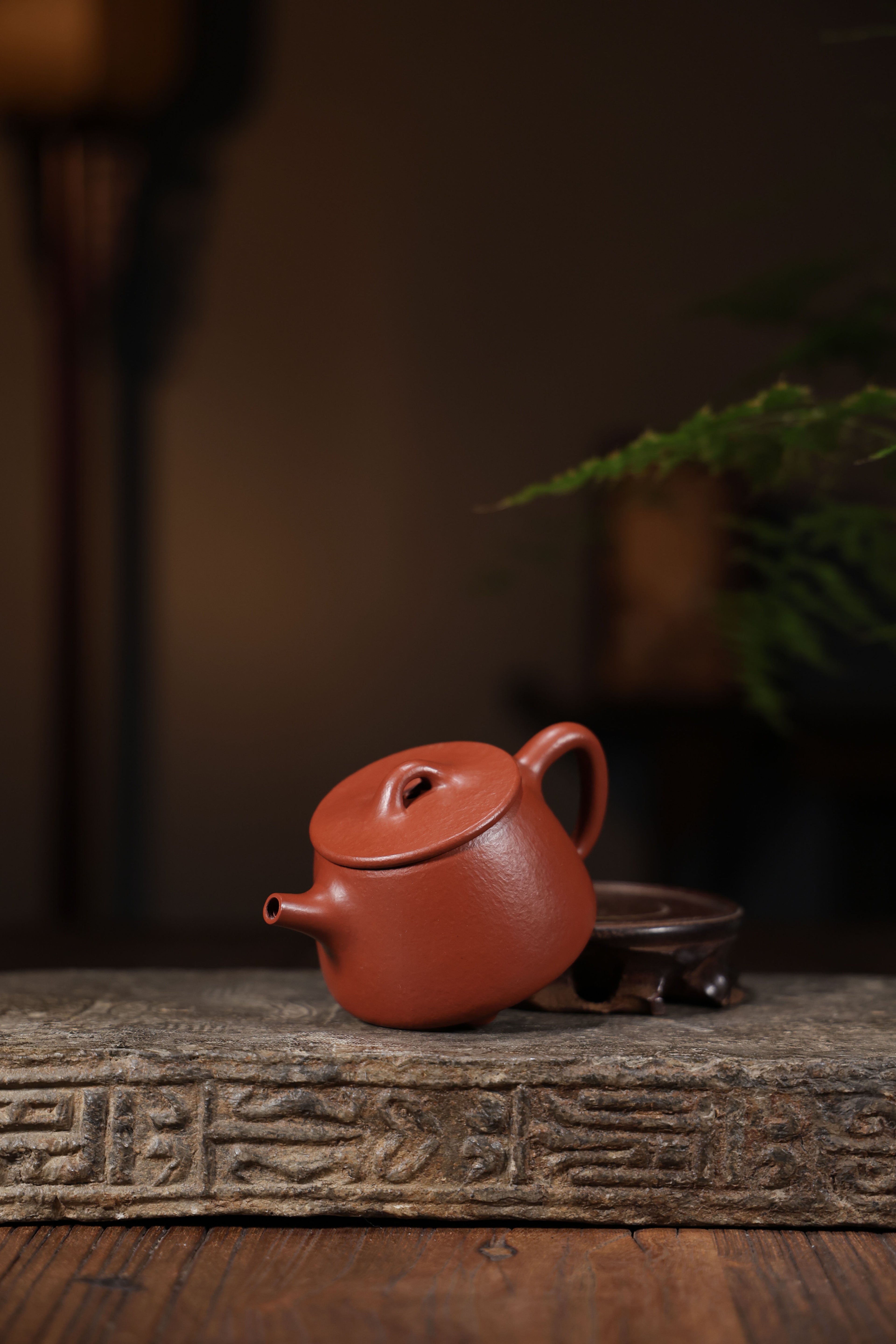
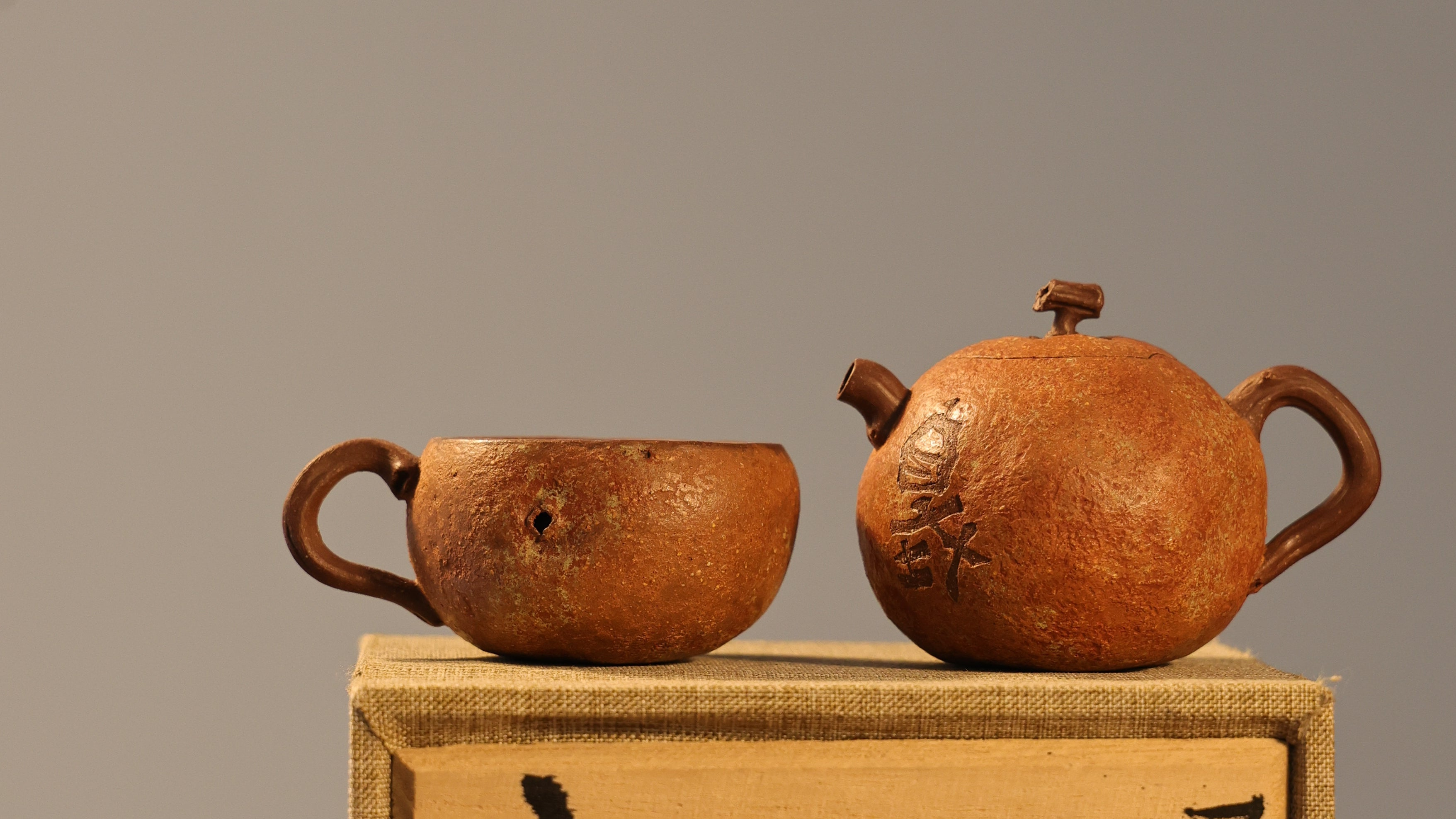
Epochs of connoisseurs have sought the singular beauty of Yixing Zisha earthenware. Founded in the scenic town of Yixing, the territory, these urns are constructed from a infrequent and quarried purple clay celebrated for its remarkable thermal qualities and facility to amplify the savor of beverages. Aside from their practical significance, Zisha teapots illustrate a solid heritage legacy, rendering them markedly coveted and a authentic treasure for any committed teapot aficionado.
Investigating Yixing Clay Pots
Classic teapots demonstrate a distinctive synthesis of history and expert craftsmanship. Emerging in Yixing, Jiangsu Province of China, their narrative originates in the Ming Dynasty, although documentation suggest earlier forms. The exceptional auburn clay, called Zisha, found exclusively in the Yixing region, is the fundamental component, contributing to the pots' exceptional heat sustaining and the manner they influence the notes of tea. Epochs of potters have honed techniques—often passed down through families—including sculpting the clay, applying ornate embellishments, and firing the pots at precise temperatures.- Back then, Yixing teapots were often decorated with simple designs.
- Down the line, more advanced carvings and figurative motifs became prevalent.
- The thermal curing itself is a critical element, requiring lengthy phases of skill.
Gathering Zisha Teapots: Necessary Factors
Undertaking a quest to secure Zisha jars can be pleasurable, but it’s imperative to grasp what to inspect. Authenticity is paramount; focus on the terrain’s natural color, a earthy reddish-brown is regular. Examine the surface; genuine Zisha has a particular tactile sensation, often described as slightly textured. The outline should be pleasing and consistent with time-honored styles, while inscriptions, if present, require careful examination for validity. Don’t resist to consult with savvy experts or recognized experiences – their awareness is priceless.
Traditional Pitchers: Exploring the Heritage of this Yixing Clay
Eons have seen Yixing Zisha teapots hold a significant role in Chinese legacy. These finely fashioned pots, sourced exclusively from the locale of Yixing, are famous for their peculiar cast, nature, and their ability to heighten the aroma of brews. Several collectors Purple Clay Teapot pursue antique Yixing teapots, appreciating them deeply not only for their aesthetic loveliness, but also for the records they express.
Yixing Zisha Teapots: A Finest Varieties and Their Features
Purple Clay teapots, coming from the local area of Yixing, the People’s Republic, are celebrated for their distinctive clay and unparalleled brewing skills. Amid the multiple Zisha types, particular types that are highly esteemed include Zhuni. Binzhou, known for its dark purple shade and smooth texture, delivers a light flavor. Duan Ni category, recognizable by its auburn color and mildly grainy feel, is considered to enhance tea’s substance. Lastly, Zhuni form boasts an unique ruby tone and can lend a sweet nuance. Each category grants a special experience, rendering them considerably desirable between infusion enthusiasts.
Brewing Perfection Your Ceramic Pitcher
To unleash the wonder of your Yixing pitcher, mastering the correct method is fundamental. These clay teapots, celebrated for their absorbency, will eventually retain the character of the tea you create within them. Begin by scrubbing the kettle thoroughly with scalding water. Then, use only superior loose leaf tea, as lower quality options can weaken the container’s delicate flavor profile. Always permit the leaves to bloom completely, and remember that with each session, your Yixing jar will become more valued.
Maintaining Your Exceptional Zisha Collectible
Proper maintenance for your Zisha urn is vital to sustaining its longevity and price. Zisha clay, recognized for its unique tinge and feel, requires precise handling. Never use strong solutions, as these can damage the layer. After every use, rinse the container with room temperature water and allow it to dehydrate completely.
- Sidestep soaking the vessel for extended phases.
- Periodically use a soft piece of cloth to refresh the exterior.
- Contemplate applying a thin layer of food-grade ointment inside the teapot after drying, which can lessen staining.
Getting Started with Yixing Kettles
Yixing pitchers, originating from the Yixing locale in Jiangsu Province, inside China, are celebrated for their distinctive qualities. Produced from the unique purple material known as Zisha, these urns are prized by beverage enthusiasts worldwide. This manual will clearly explain the nuts and bolts – covering varieties of Zisha material, typical shapes, and key care advice. Understanding the origin of Yixing earthenware can boost your appreciation for this celebrated example of Chinese artistry.
Mastery of Oriental Kettles: Presenting Zisha originating in the Yixing area
Zisha soil from this city of Yixing represents the culmination of Asian teapot design, boasting a special mixture of authentic beauty and utilitarian artistry. These notable pieces are acclaimed for their bold pigments, often including strong purples and copper hues to delicate greys and subtle beiges. The salient mineral composition of the typical Zisha clay imparts a noteworthy texture and delivers a welcoming aroma that amplifies the full concoction experience, contributing to them significantly cherished collectibles and necessary components of any serious ritual.