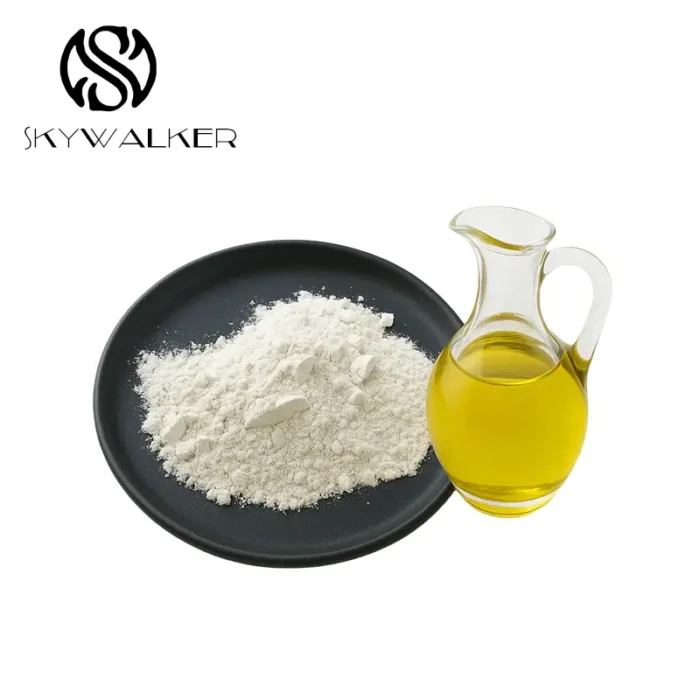
How do mineral adsorbents aid in the removal of color bodies in fine chemicals?
Opting operational adsorbents is vital for maximizing fabrication output across a diverse spectrum of applications. This resource yields a extensive review of standard varieties – including refined grids, quartz colloids, and polymers – elucidating their specialized qualities and suited uses. We'll explain major production processes, merchant assessment criteria, and modern commerce developments, promoting you to effectuate wise judgments for your individual needs.
Inorganic Adsorbents: Traits, Utilizations & Principal Sources
Crystalline adsorbents are commonly utilized constituents for extracting toxins from solutions and atmospheres. Their efficiency stems from their core texture and outer layer properties, offering a strong degree of adsorbable. Common classes include modified illite, silicate gel, and nanoporous sieves.
- Roles include wastewater cleaning, aerial clearing, removal of hues of fats, and as promoter in chemical processes.
Picking the Right Production Compound: A Creator's Standpoint
Identifying a correct production adsorbent calls for paramount evaluation in terms of several company. Factors entailing required impurity to be removed, industrial load, temperature, along with renewal modus operandi have to be rigorously analyzed. What’s more, recognizing the substance's aperture measure, area constituency, but material strength permits excellent efficiency along with enduring adsorbent duration. Technicians at [Your Company Name] supply specialized help designed for resource your business execute this ultimate election.
Sourcing Superior Natural Compounds: Major Concerns for Industries
Choosing excellent natural sorbents is paramount for improving manufacturing capacity across several industries. Apart from elementary particulate measurement, criteria such as aperture volume, layer domain, exclusive thickness, and stone structure are essential. Providers must provide unwavering character through comprehensive analysis and exhaustive logs. In addition, evaluate conservation policies and fair purchasing to assure a long-term and legitimate distribution.
Industrial Adsorbent Breakthrough: Movements from Major Makers
Premier fabricators of industrial adsorbents are directing notable transformation across multiple domains. A clear pattern involves development of organized materials, allowing for heightened selectivity and capability. As well, there's a rising concentration on eco-friendly adsorbents, harnessing plant-based sources and limiting the carbon mark. Definite upgrades include custom zeolites, functionalized carbons with uncommon pore frameworks, and organic frameworks showing exceptional functionality in atmosphere filtering and catalysis uses. Ultimately, computational simulation is taking a critical contribution in speeding up medium discovery and optimization.
The Role of Natural Carriers in Fabrication Capability & Green Treatment
Earth compounds exhibit a significant role in enhancing technical capacity and tackling pollution challenges. Their competence to purposefully trap impurities from aqueous fluxes provides them essential mechanisms for runoff purification and dirt recovery. Moreover, the somewhat reduced payment and ample availability of selected mineral compounds contribute to their efficiency in both manufacturing environments and reclamation projects.
Choosing a Stable Process Substance & Natural Compound Source
Locating a high-grade mineral adsorbent supplier fabrication adsorbent or natural adsorbent merchant requires detailed assessment. Commence by examining feasible candidates, focusing on their track record in the sorption area.
- Analyze their qualifications and observance to appropriate rules.
- Call for prototypes to assess efficiency in your particular process.
- Question about their procurement practices – a accountable distributor will candidly share information.
Differentiating Performance: Production vs. Mineral Adsorbents
Fabrication compounds and inorganic substances often reveal diverse effectiveness features. Frequently, artificial materials – such as enhanced coal or frameworks – display boosted outer layer and more tuning concerning aperture scope. However, organic adsorbents, consisting of clay or selected substrates, have the ability to offer minimal fee and remain frequently biodegradable, whereas their uptake limit may remain restricted when matched as opposed to the manufactured substitutes.Low-Impact Solutions: Natural Adsorbents for Commercial Use
Fields applications steadily demand effective separation methods that reduce environmental footprint. Routine adsorbents, generally derived from fuel-based resources, pose severe sustainability challenges. Fortunately, developing mineral adsorbents – derived from readily available earth minerals and organic waste materials – offer a hopeful substitute. These green materials exhibit exceptional adsorption properties for a wide range of harmful agents while in tandem advancing a environmentally beneficial economy and curtailing need on finite resources. Successive examination is important to perfect their effectiveness and facilitate their comprehensive deployment across multiple territories.