Can a limited‑edition ceramic cup series drive collector communities?
Earthenware model represents a distinguished medium variety with a lengthy legacy, spanning back legions of eras. From ancient jars to modern placements, the resource offers incomparable possibilities for creative performance. Artisans practice various techniques – including forming, wheel manipulating, and sophisticated firing processes – to convert humble loam into compelling three-dimensional forms. The sturdiness of fired ceramic also contributes to its status as a truly important part of human society.
Investigating Porcelain Plaque Motifs and Practices
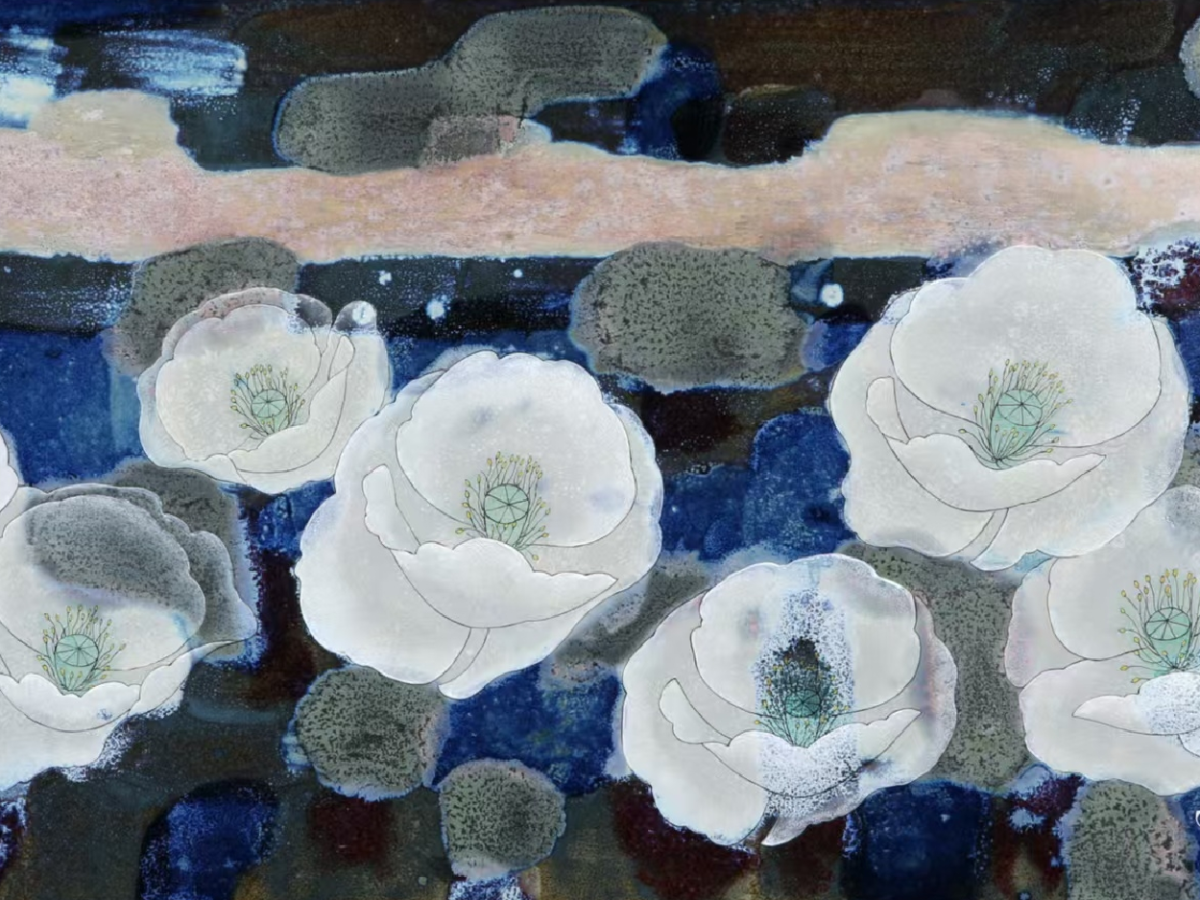
The sector of ceramic tile design offers a broad array of expressive possibilities. Sculptors often utilize a combination of conventional and up-to-date techniques to develop visually striking pieces. These can span from simple, engraved reliefs to complex, multi-layered designs. Conventional methods include mold making, artisanal shaping, surface glazing – which can involve an array of styles like initial glaze painting, applying decoration after firing, and engraved motif where designs are brought out by peeling off a layer of varnish. Extra analysis into exterior stylings such as thermal treatment and pearlescent coating can lead to truly rare and bespoken brick boards.
- Shape Forming - Generating pieces using a model
- Hand Shaping - Delicately building the loam
- Enameling - Spreading the surface with a glassy finish
- Scratched decoration - Uncovering designs by scraping surfaces
Entrancing Experiences: Terracotta Art Displays
The developing landscape of art presents exciting modern avenues for attendees, and ceramic art installations are at the cutting edge of this trend. These aren't just static statues; they are engineered to envelop the onlooker in a sensory experience. Imagine venturing into a forest of towering, decorated ceramic trees, or navigating a web of delicate ceramic vessels. Many sculptors are now incorporating tones, illumination, and even smell to enhance the impression of their work. Picture the power of a room filled with hundreds of expertly ceramic pieces, each telling a narrative. Typically, such installations delve into themes of the earth, heritage, and people.
- They installations blur the frontiers between creation and setting.
- Observing a ceramic art installation can be a deeply personal journey.
- Artisans are extending the thresholds of what is conceivable with clay.
Each Charm of the Brick Urn: Meaning and Appearance
The ceramic urn represents a remarkable mixture of effectiveness and creative appeal. Historically, these canisters served a essential function in holding plants, but their expansion has transformed them into highly valued works of design. Each component showcases the expertise of the maker, demonstrating how profile can be as crucial as operation. The careful shaping, the exceptional glazes, and the comprehensive presence of a finely-produced jar can raise a space, offering both charm and a reserved reminder of the human hand.
Present-day Terracotta Sculpture : Challenging Frontiers
Recent ceramic form represents a fascinating movement from ancestral practices. Artists are boldly testing with modern techniques, questioning the divisions between form and additional craft mediums. From expansive installations to fine miniature pieces, aforementioned works scrutinize themes of character while simultaneously rethinking the definition of what earthenware can become. The byproduct is a vigorous sphere of inventive expression.
Ceramic Tablet: Safeguarding Heritage in Earth
Clay plaques offer a remarkable method for memorializing significant events and individuals. Compared to traditional metal or stone markers, these resilient pieces of design are formed from baked clay, ceramic sculpture creating a concrete link to the former times. Frequently, they present intricate figures or vividly colored imagery, illustrating stories that might otherwise be overlooked. This technique, originating in ancient civilizations, provides a striking and timeless way to remember our collective tradition.
- Those can be installed in communal spaces.
- Many are now recognized historical remnants.
Stoneware Art Creations: Redefining Spaces
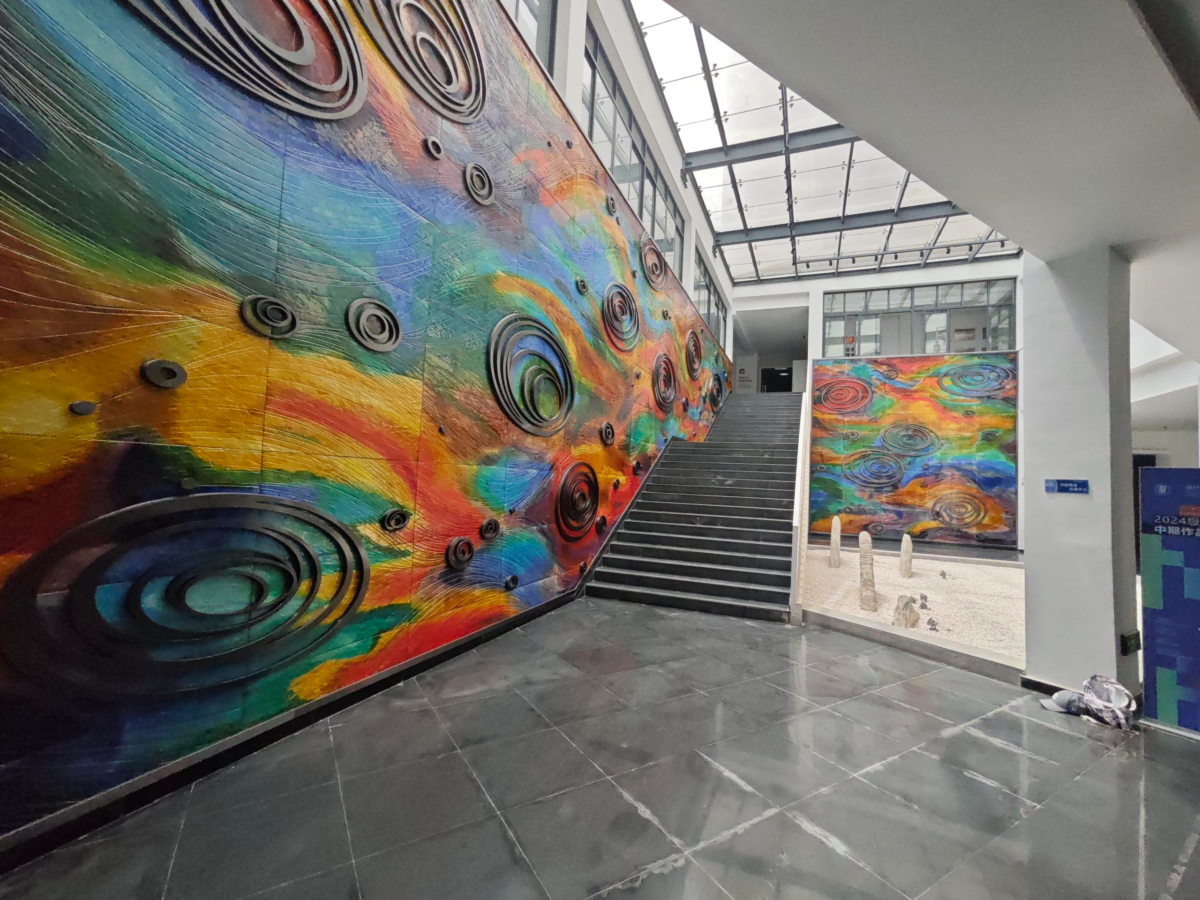
Terracotta art installations are arising a compelling medium for artists to revise public and private places. These immersive creations frequently involve expansive clay models that hold viewers, influencing their perception of the assembled environment. By adopting diverse methods like fabricated molding and detailed firing techniques, ceramic artists fashion truly uncommon experiences, dissolving the frontiers between creation and architecture. The impact is often a impactful modification that improves the visual quality of the venue and inspires debate.
Start Wheel to Spectacle: The Art of the Terracotta Pot
The journey of a terracotta pot from a simple lump of loam to a complete work of composition is a testament to human creativity. Customarily, the process commences with the potter’s rotary device, where the talented artisan carves the spinning earth into a cylindrical design. This primary section demands finesse and a perceptive eye, followed by a delicate hardening period. Once pre-fired, the vase is ready for adornment, which may require glazing intricate arrangements, incising detailed pictures, or employing a multitude of coatings. The terminal kiln firing process then alters the creation into a durable and pleasing vase, a tangible manifestation of the artist's passion.
Pottery with Stoneware: A Primer to Ceramic Expression
Surveying the realm of earthenware art begins with knowing the foundations of crafting with brick. The technique demands attentively composing and subtracting substance to build three-dimensional artifacts. Regardless of you're a apprentice or a accomplished practitioner, experimenting with various kinds of ceramic material – for example terracotta – will support you detect your original signature. In conclusion, porcelain shaping is a valuable undertaking that connects dexterous mastery with inspired exhibition.